
The Art of Creating a Loaf: From a Grain to a Golden Crust
Every day, millions of people buy fresh white bread. They choose it for its aroma, colour, and softness. However, few buyers consider the complex, multi-stage science behind creating the perfect loaf. The quality of this product is not only formed in a hot oven but begins at the stages of growing wheat, storing grain, and milling the right flour. To understand all the intricacies of the baking art and learn exactly how technology affects the taste and porosity of our favourite bread, we invited an expert for a conversation. Our guest today is Ms Vasylyna, Candidate of Technical Sciences, leading engineer, and food quality assessment expert.
— Welcome, Ms Vasylyna. For most buyers, a loaf of bread is simply a familiar product. People evaluate it visually, looking for a nice shape and a golden crust. But from a professional point of view, what are the objective signs of a truly high-quality product, and at what stage are they established?
Welcome. From a professional point of view, a high-quality loaf is the result of a complex interaction between the baking properties of the raw materials and the technological processes. A high-quality product is characterised by a regular shape, an evenly coloured golden crust, a well-developed volume, and thin-walled porosity. Its crumb should be resilient, quickly recovering its structure after light pressing. No less important are the sensory properties, namely the taste characteristic of loaves, a pronounced bready aroma, and the product's ability to maintain freshness throughout its shelf life.
The formation of these parameters begins at the stages of grain cultivation, storage, and processing into flour. In the classic technological process of wheat processing, four grades of flour production are envisaged, namely: highest (extra), first, second, and wholemeal (whole wheat). The grade determines not only the colour and texture of the crumb but also the taste characteristics and nutritional value of the finished product. High-grade flours provide a light colour and a delicate structure for the loaf. Meanwhile, flour with a larger share of peripheral grain parts enriches the product with dietary fibre, minerals, and biologically active compounds.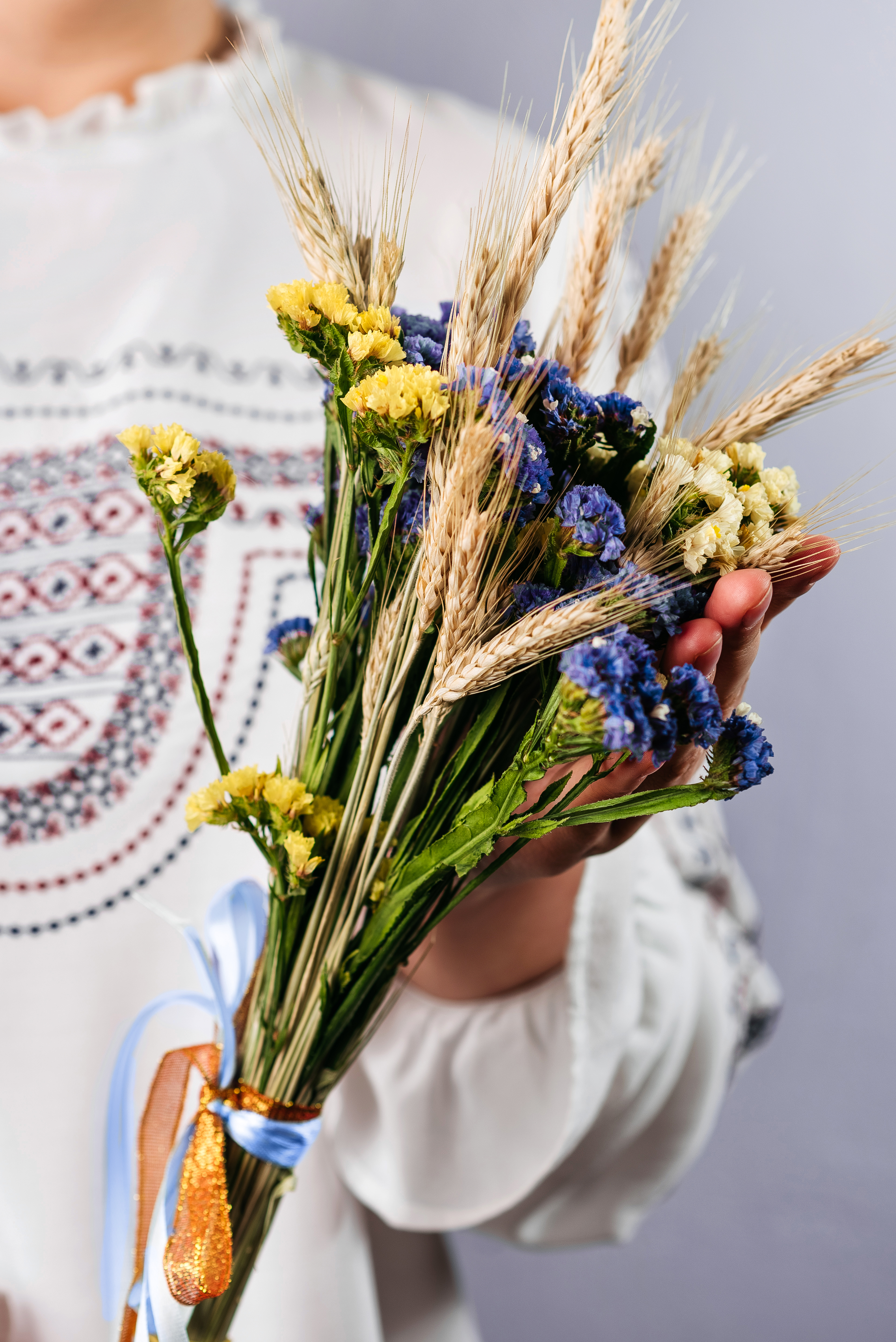
— So, flour is indeed that complex foundation. But exactly how does its chemical composition affect how the loaf comes out of the oven? We know about gluten, but for technologists, flour is probably something much more complex.
You are right; flour must be evaluated as a single mechanism. Gluten plays a key role in forming the structure of a loaf. This is the protein complex of wheat flour, which forms the elastic framework of the dough and ensures the retention of carbon dioxide released during fermentation.
The volume of the product, the uniformity of porosity, and the consistency of the crumb depend largely on the state of the flour's protein-proteinase complex. This complex is characterised by the content of protein substances, the activity of proteolytic enzymes, as well as the presence of proteolysis activators and inhibitors.
At the same time, we must consider not only proteins but also evaluate the state of the carbohydrate-amylase complex, which includes the state of starch, the falling number, and autolytic activity. The quality of the finished products is also affected by the physicochemical parameters of the flour, such as moisture content, ash content, and particle size distribution. This entire set of characteristics determines the course of the technological process and directly affects the consumer properties and stability of the finished loaf.
— After we have chosen the perfect raw material, the most important stage of dough preparation begins. I know that modern production facilities use various technologies, in particular, straight dough (direct) and sponge and dough (indirect) methods. Could you please explain the fundamental difference between them from a technological point of view?
After the raw material preparation stage according to the recipe, a truly key stage begins. It is during dough preparation that the future volume, crumb structure, taste, and aroma of the finished product are established.
With the straight dough (direct) method, all recipe components are added during mixing simultaneously. In this process, the hydration of the flour components, the formation of the gluten framework, and the even distribution of the raw materials in the dough take place. After mixing, the dough is sent for fermentation, during which enzymatic and microbiological processes occur, ensuring the accumulation of flavour and aroma substances and the formation of the necessary structural and mechanical properties.
With the sponge and dough (indirect) method, a sponge (preferment) is first prepared from a portion of the flour, water, and yeast. Only after it has matured are the rest of the raw materials added, and the final dough mixing is carried out. Thanks to the longer duration of biochemical processes, the sponge method contributes to a better development of the gluten framework, the accumulation of fermentation products, and the formation of more pronounced taste and aromatic properties of the finished products. Therefore, the sponge technology remains one of the most effective ways to improve the organoleptic properties of a loaf.
Regardless of the method, during fermentation, the yeast ferments the dough's sugars to form carbon dioxide and ethanol. This released gas is retained by the protein framework, which ensures the leavening of the dough, an increase in its volume, and the formation of an even, porous crumb structure in the finished product.
— The topic of sourdoughs is currently very popular in the market, and many consider them a modern innovation or a marketing ploy. But for bakers, this is a classic tool that directly affects the chemistry of the dough. Exactly how do sourdoughs change the structural and mechanical properties of the semi-finished product, and what processes occur at the molecular level?
The use of sourdoughs deserves special attention because they have a huge impact on the course of biochemical, microbiological, and colloidal processes in the dough. The basis of sourdoughs is a symbiosis of lactic acid bacteria and yeast.
During fermentation, lactic acid bacteria produce organic acids, primarily lactic and acetic acids. As a result, the active acidity of the dough decreases (i.e., the pH level drops), and simultaneously, its titratable acidity increases. Such a change in acidity affects the state of the flour's protein complex, specifically the degree of swelling and hydration of the gluten proteins. This moderate acidification of the dough helps strengthen the gluten framework by increasing the number of intermolecular interactions between protein macromolecules. Consequently, the gas-retaining capacity of the dough increases, and its shape retention and stability during mechanical handling improve.
Simultaneously, sourdoughs also affect the carbohydrate-amylase complex of the flour. Under the influence of enzymes, partial hydrolysis of starch occurs, forming low-molecular-weight sugars. These are used by the enzymes as a food source, ensuring a more even fermentation process and stable gas production throughout the entire technological process.
An important consequence of using sourdoughs is the accumulation of a wide range of aromatic compounds. These include organic acids, alcohols, aldehydes, ketones, esters, and other volatile substances. They are what form the complex, multi-component aroma of the finished loaf, which cannot be achieved solely through yeast fermentation.
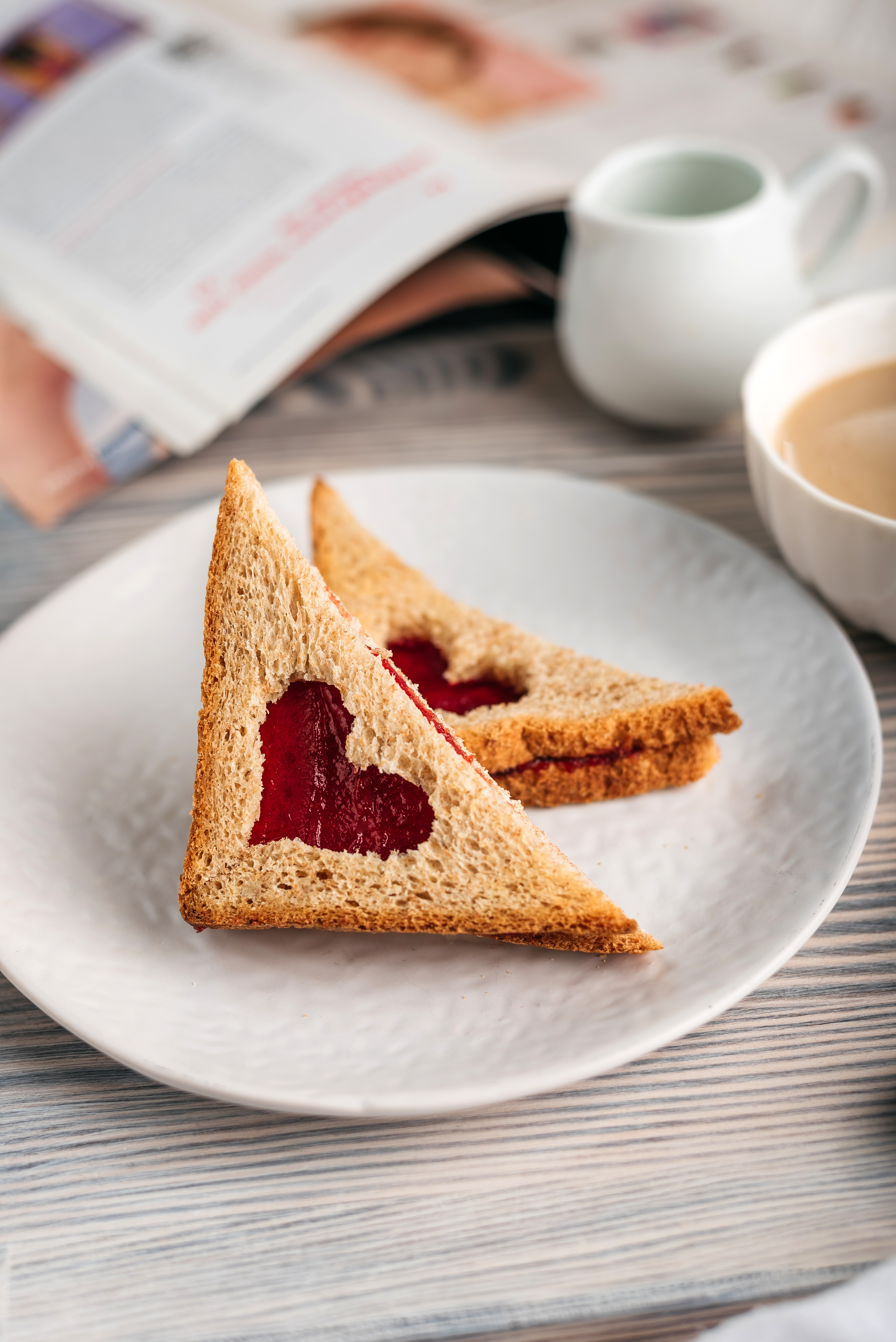
— And finally, we have the last stage, when the dough enters the oven and takes on its appetising appearance. Could you please tell us exactly how that golden crust is formed and how temperature regimes allow masters to control the quality of the bread?
It is a truly incredible chemical process. During baking, the reducing sugars formed as a result of starch hydrolysis interact with the amino groups of proteins and their breakdown products. As a result of these sequential transformations, a large number of aromatic compounds and high-molecular-weight, dark-coloured substances called melanoidins are formed. They give the loaves a rich aromatic profile and form that very golden crust.
No less important are the regimes of proofing and the baking itself. Controlling the temperature and humidity at these stages allows for the regulation of volume development, the character of porosity, and the intensity of crust formation. That is exactly why loaves produced using different technological schemes can differ significantly in taste, aroma, and texture, even if absolutely identical raw materials are used.
Ms Vasylyna, thank you very much for such an interesting and professional excursion into the world of baking. Now we know for sure that creating the perfect loaf requires jeweller-like precision at every step, from selecting the grain to the temperature regime in the oven.