
We and the Consumer: Bread That Changes with People | Interview with a Bakery Technologist
How the Modern Consumer Sets Trends, and the Technologist Turns Them into a Real Product
Bread is a mirror of society. Its shape, taste, texture, and even packaging change alongside people’s rhythm of life. Iryna, a bakery technologist at TM Rumyanets, told us how dietary habits are transforming today, what trends the consumer dictates, and how our production responds to it all.
— To what extent does the consumer influence what bread ends up on the shelves?
In short — entirely. Every time we attend exhibitions or training sessions, we are shown current marketing research: exactly what people choose, and which formats, textures, and flavours appeal to them most. We focus not on abstract theories, but on real behavioural changes in consumers. Last year's trip to Vienna was very telling: despite the years-long popularisation of wholegrain bread, wheat bread remains the absolute leader. People still choose what tastes better to them, and it is crucial to take this into account.
— What changes in dietary habits have become most noticeable in recent years?
The changes are significant. Firstly, the demand for sliced sandwich bread has surged. Young people prefer a soft, tender, and fluffy texture. The new generation often rejects classic rye-wheat breads — for them, rye flour has too distinct a flavour and a dense texture. They need "tenderness".
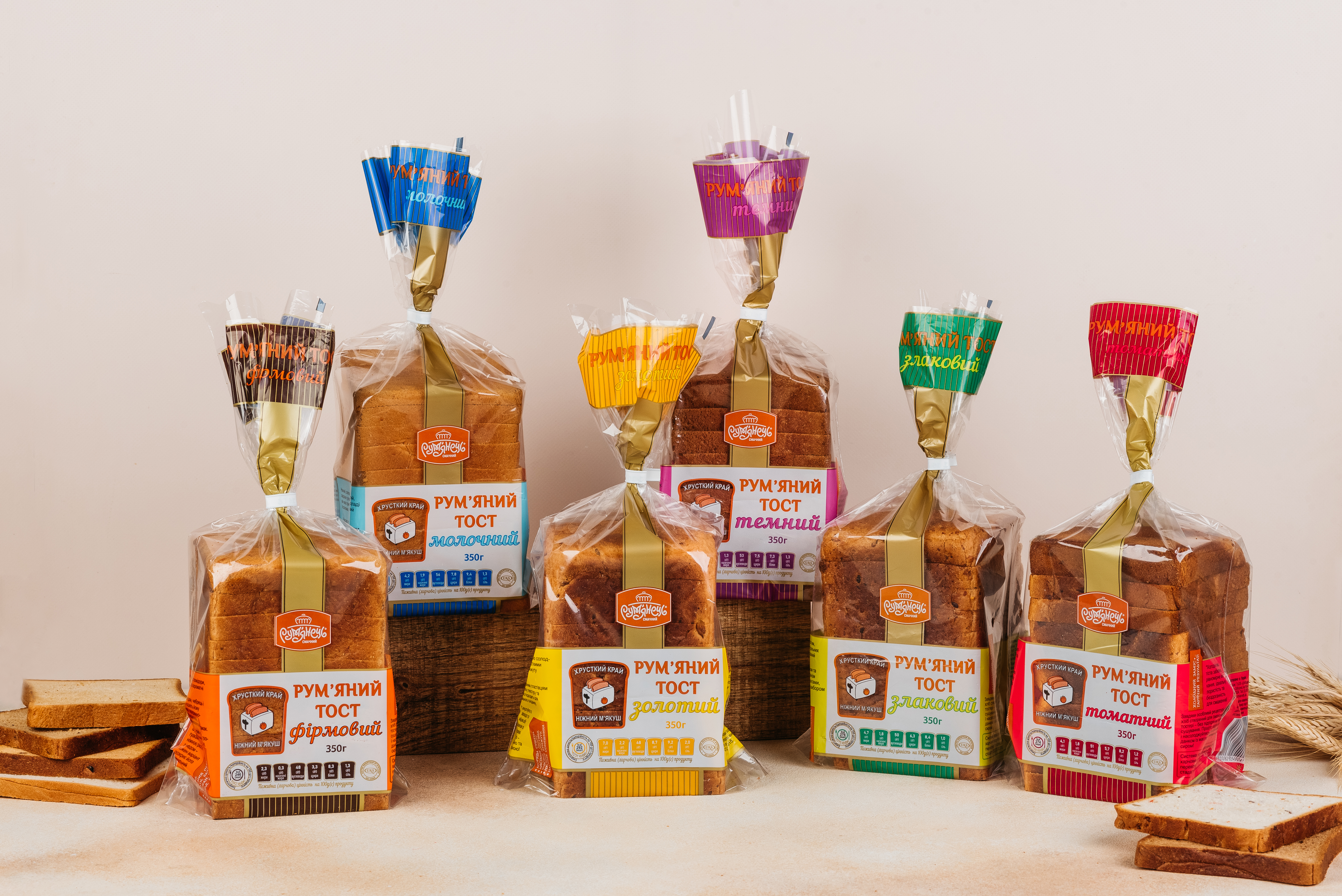
To meet this demand, we have significantly expanded our line of toasting breads. While we previously had two, our range now includes eight items. Each boasts the perfect structure for sandwiches — exactly what modern buyers are looking for.
Secondly, the trend for maximum convenience continues — crustless bread. At European exhibitions for the third year running, we have seen manufacturers offering sliced "centre" bread, and it sells well. This is a product ready to be consumed "here and now".
Thirdly, there is a consistently high interest in wholegrain and seeded breads. The consumer values health benefits, naturalness, and the presence of seeds or sprouted grains. A perfect example of this balance in our range is the "Wholegrain" bread, which is the choice of healthy eating enthusiasts.
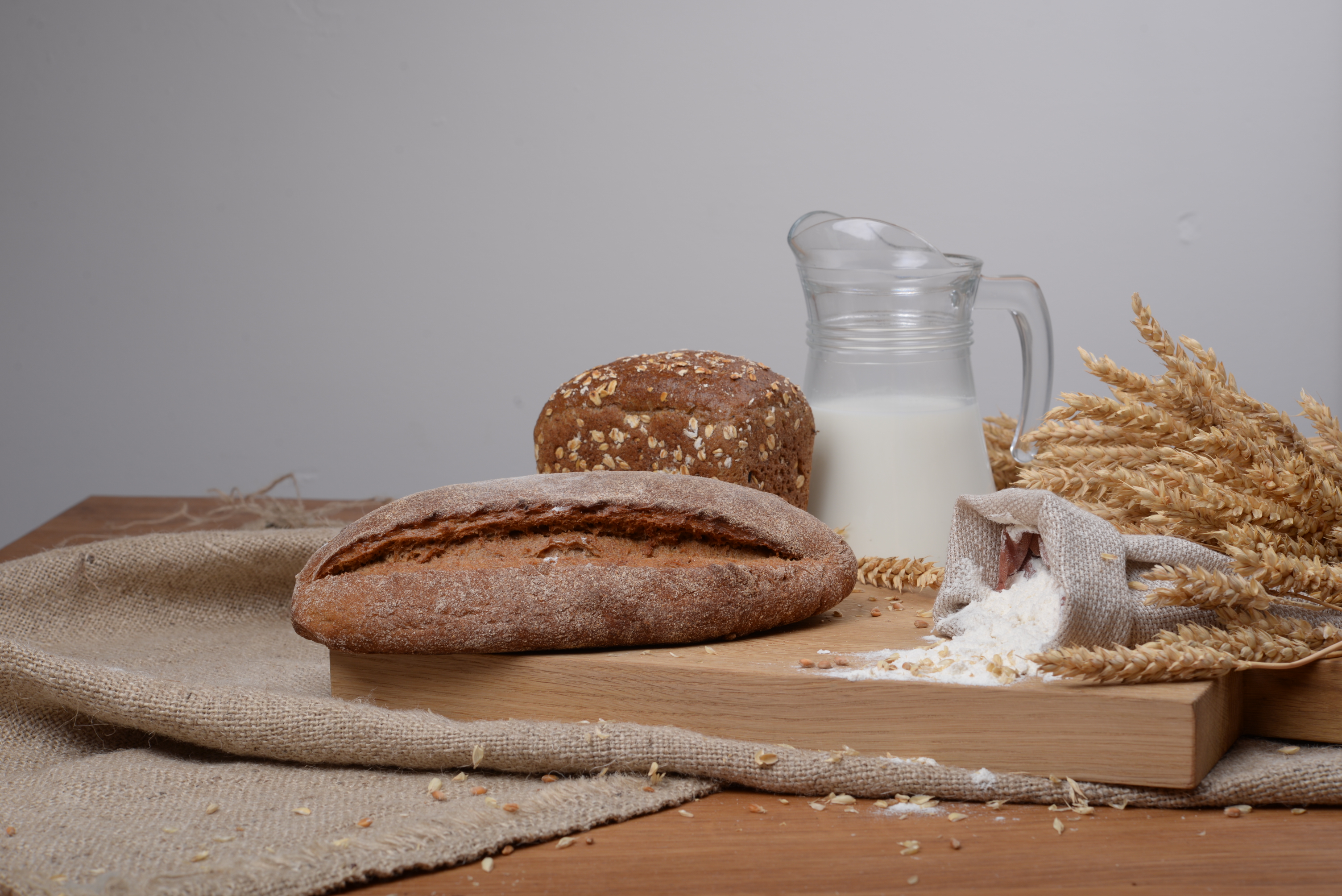
Finally, people increasingly want bread with an "artisan" look — bread that appears hand-shaped, with an uneven surface, characteristic cracks, and an appealing visual profile. In parallel, the popularity of sourdough is growing. It provides a complex aroma, natural acidity, a soft porous crumb, and long-lasting freshness. Almost our entire range is created using sourdough and scalded doughs. If you taste our Borodianskyi bread, you will immediately feel this "live" flavour.
— The trend for "clean label" and "bio" is currently being actively discussed in the European market. How relevant is this for the Ukrainian market and for TM Rumyanets?
It is no longer just a fad, but a demand for honesty and transparency. A "clean label" means a minimum of ingredients: flour, water, sourdough (or yeast), and salt. No unnecessary mixes or artificial improvers.
Naturally, it is technologically easier for a facility to use improvers, but we consciously choose a different path — long natural fermentation. It is thanks to this that the bread develops a deep flavour, nutrient absorption improves, phytate content decreases, and the product stays fresh longer. This is the balance where technology works in the consumer's favour.
Europe is moving towards total transparency — tracing the flour's journey from field to shelf. We also adhere to this philosophy: our recipes are as natural and honest as possible.
— Why are more and more people choosing natural sourdough bread?
Naturalness has become a universal value. Sourdough is not just about taste and aroma; it is a philosophy: a minimum of additives and a maximum of natural processes. People can feel the difference in the smell, the structure of the crumb, and the long-lasting freshness of the product.
— How can technology meet all these demands without compromising on quality?
We constantly work at the intersection of craft and science. It is a search for the optimal formula: how to make bread soft and fluffy, yet without unnecessary additives; how to ensure a consistent result when using natural fermentation processes.
Technology does not fight trends — it enhances them. Our task at TM Rumyanets is to ensure that every loaf, regardless of fashion or market demands, is high-quality, consistent, and exceptionally honest with the consumer. We monitor feedback daily, analysing the organoleptic properties and visual appearance of our products, to continuously perfect our recipes and meet our buyers' expectations.